


For many small businesses and startups, the phrase “marketing budget” feels like a cruel joke. You’ve got limited funds, a long list of priorities, and that one friend who swears “just run Facebook ads!” as if money grows on Meta.
But here’s the truth: a lean budget doesn’t mean lean results. In fact, constraints often spark the most creative (and effective) strategies. Remember when we survived on free AOL trial CDs? Yeah—scrappy can work.
Here’s how to build a marketing strategy that drives growth, even if your budget is basically couch-cushion money.
Step 1: Set Clear, Achievable Goals
Every great strategy starts with goals. Not vague ones like “go viral” (unless you also plan to become a meme). I mean focused, measurable goals:
- Increase website traffic
- Generate more leads
- Grow social media presence
- Convert more prospects into customers
Use the good old SMART framework (Specific, Measurable, Achievable, Relevant, Time-bound). Think less “manifesting” and more “trackable progress.”
Step 2: Know Your Audience Better Than They Know Themselves
The best marketing dollar is the one you don’t waste. Knowing exactly who you’re talking to is more valuable than any fancy ad spend.
Free tools at your disposal:
- Google Forms/Typeform → survey your customers
- Google Analytics → see who’s actually visiting your site
- Social media insights → learn what content makes them click, like, and share
Build buyer personas that include their challenges, habits, and decision-making quirks. Basically: know their coffee order before they tell you.
Step 3: Lean Into Content Marketing
Content marketing is the workhorse of small budgets. It costs more in effort than cash, but the payoff compounds over time.
✅ Blog Posts — Answer FAQs, share industry tips, explain trends.
✅ Video — No Hollywood budget required. A smartphone + CapCut or InShot works.
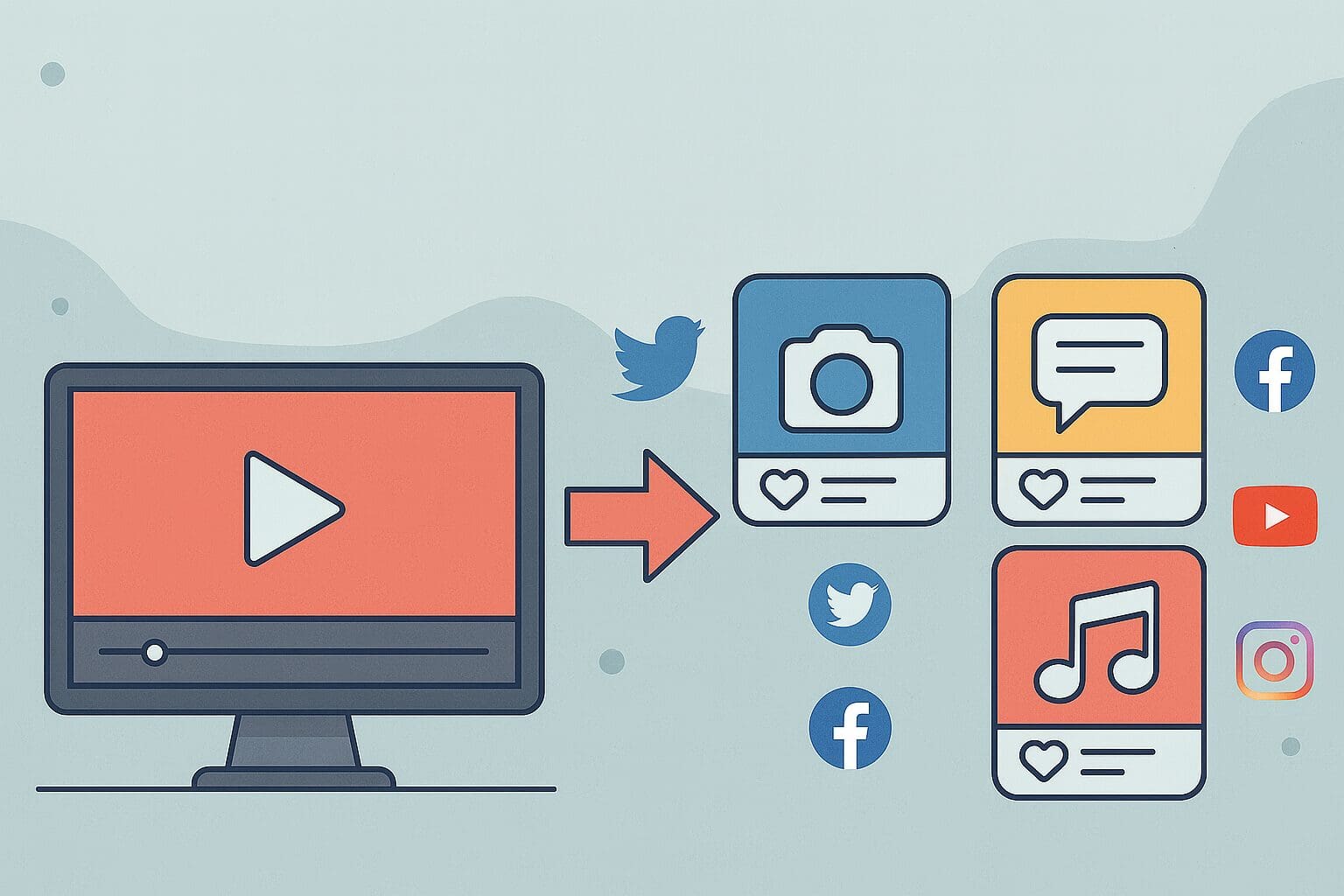
✅ Repurpose Everything — One blog → social posts → email newsletter → short video. (Reduce, reuse, recycle, am I right?)
Step 4: Pick Social Media Platforms Strategically
You don’t need to be on every platform—unless you want to burn out faster than a TikTok trend cycle. Choose 1–2 where your people actually hang out:
- Instagram → visuals + products
- LinkedIn → B2B + thought leadership
- Facebook Groups → tight-knit communities
- TikTok → viral reach potential
Tools like Canva + Buffer/Later = consistent posting without losing your weekends.
Step 5: Build (and Actually Use) an Email List
Email is still one of the highest-ROI tactics out there. And no, email is not “dead”—it’s just better dressed now.
Start simple:
- Offer a lead magnet (checklist, discount, free guide).
- Use MailerLite or Mailchimp to send updates.
- Provide value before pitching—relationships > spam.
Step 6: Use Free + Low-Cost Tools
Who says you need enterprise software? Some of the best tools are free:
- Google My Business → local SEO boost
- Canva → branded visuals made easy
- Trello/Notion → content planning without Post-it explosions
- Google Analytics → measure what matters
Step 7: Collaborate and Cross-Promote
Partnerships = borrowed audiences. You don’t need big influencers; just team up with people who share your audience but not your product.
Ideas:
- Co-host a webinar
- Run a joint giveaway
- Swap blog features or newsletter shoutouts
Your reach grows without your ad spend doing the same.
Step 8: Experiment, Measure, Optimize
Marketing is basically one big science fair project. Test, tweak, repeat.
- Use UTM parameters to track campaigns.
- Listen to customer feedback (yep, even the blunt stuff).
- Double down on what works, ditch what doesn’t.
TL;DR
You don’t need a big budget to make a big impact. With clear goals, a scrappy mindset, and some creativity, you can build a marketing strategy that actually works.
Success isn’t about how much you spend—it’s about how smart you spend it. And hey, if elder millennials can make it through dial-up internet and Napster lawsuits, you can absolutely build a strong marketing plan with limited cash.




Comments +